


Heart Health: How to Look After Your Heart This Valentine's Day
We talk about following our hearts, listening to our hearts, and giving our hearts away on Valentine’s Day. But your heart isn’t just a symbol; it’s a muscle that works 24/7 to keep you alive.
February is World Heart Month, which makes this the perfect moment to shift the focus from romance to resilience.
The good news? Protecting your heart doesn’t require extreme diets or punishing workouts. Small, consistent changes in how you eat, move, and manage stress can dramatically improve long-term heart health.
Here’s how to start.
1: Make a Healthy Diet Your Priority
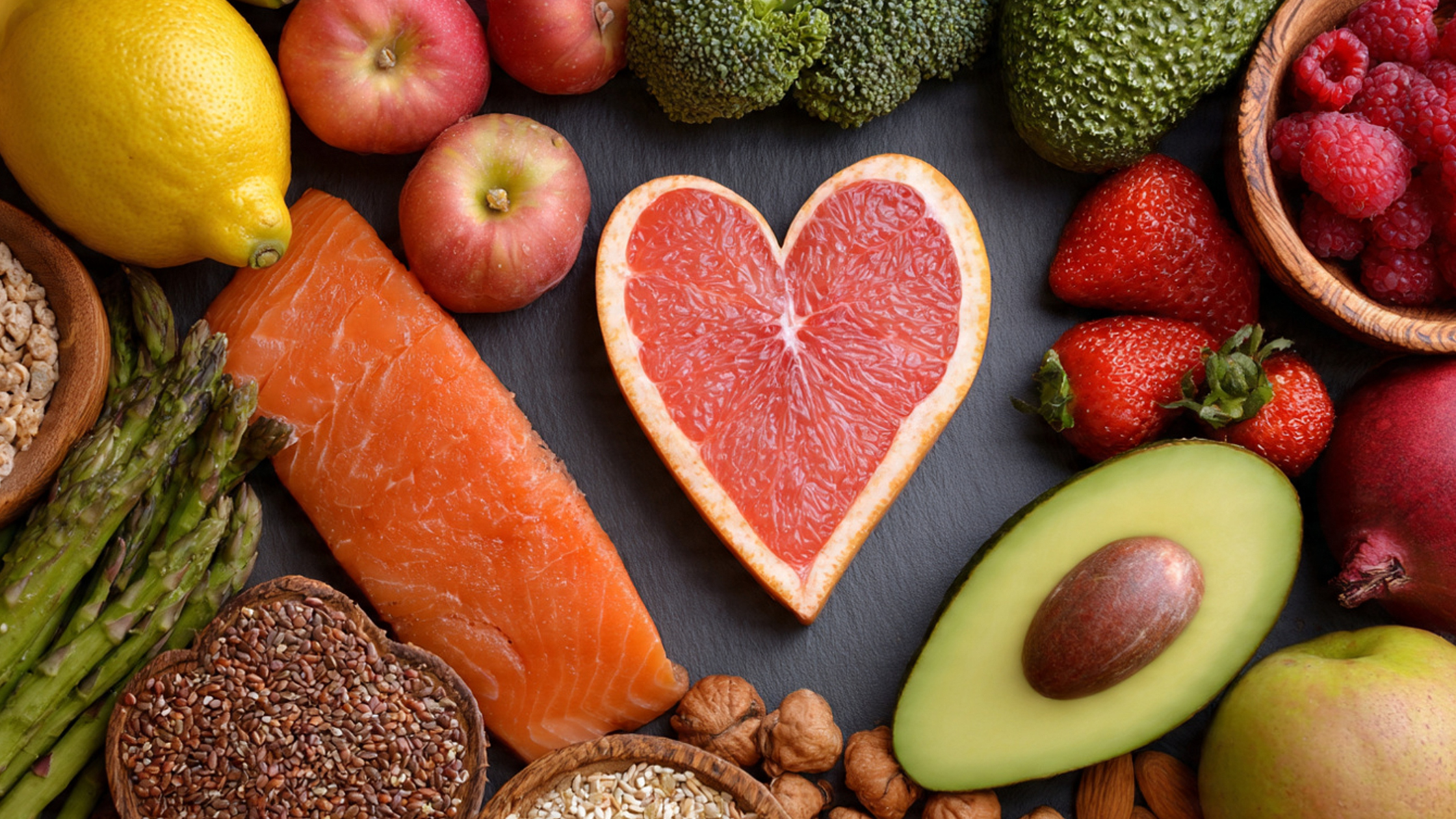
A balanced diet is the cornerstone of heart health. Why? Because what you put into your body defines how it functions. Even if you get regular exercise, poor nutrition will still place stress on your heart.
Research shows that heart disease is the leading cause of death in the UK and Western countries (NCBI). While there are multiple components to a healthy lifestyle, following these diet tips gives your heart the support it needs to function:
Consume a Balanced Diet
A balanced diet isn't a restrictive diet. Healthy eating involves combining different food groups to ensure you get optimal nutrition.
So, instead of following fad diets, make sure you consume a combination of fruits and vegetables, protein, fibre, healthy fats, and complex carbohydrates each day.
Limiting your saturated fat intake is one of the most important steps you can take to lower cholesterol levels.
Make Better Healthy Eating Choices
It's so easy to reach for convenience foods when you're busy, but there are alternatives. Those hectic days when it feels impossible to get everything done often mean you end up grabbing a lunch meal deal or ordering from Uber Eats.
However, Meal Replacement Shakes are formulated to provide a balance of vitamins, minerals, and nutrients, replacing the nutrition you'd get from a healthy meal. Choosing a shake for breakfast or lunch can help reduce your intake of junk food, promoting a heart-healthy lifestyle.
2: Prioritise Aerobic Exercise

It's well established that a sedentary lifestyle increases the risk of high blood pressure (ScienceDirect). Even if you're at a healthy weight, failing to get 150 minutes of moderate-intensity exercise can still put undue strain on your heart.
It's not about hitting the gym every day or constantly lifting weights - even small changes can significantly lower your risks of developing heart disease.
The best ways to increase your physical activity include:
Walking More
Walking is one of the simplest ways to strengthen your heart. A 30-minute daily walk can help you stay physically active without stressing your joints and muscles.
Valentine's Day is the perfect time to get out and about. Plan a romantic hike, and you'll instantly notice the difference.
Doing Activities You Enjoy
If the thought of getting on a treadmill or exercising fills you with dread, find an activity you enjoy. It could be playing a team sport, going swimming, or dancing. Many people find that enjoying physical activity makes it easier to stick to.
Even small things like cleaning the house and gardening count as physical activity.
Make Lifestyle Changes
While people with certain medical conditions or a family history of cardiovascular disease have increased risks of developing it themselves, your lifestyle also plays a significant role.
Even decisions that seem small can result in high cholesterol, which increases the risks of developing coronary heart disease. When you make the following lifestyle changes, you're taking large steps to protect your heart:
Reduce your Alcohol Consumption
If you consume alcohol regularly, you have a higher risk of heart disease (Drinkaware). Most adults drink, and there's nothing wrong with a couple of glasses of wine on Valentine's Day, but moderation is key.
Sticking to 14 units of alcohol each week (six glasses of wine or six pints of beer) can protect your heart and reduce the risks of high blood pressure.
Quit Smoking
Smoking is the leading cause of preventable death in the UK. While we frequently associate it with lung cancer and respiratory conditions, smoking is a major risk factor in developing high blood pressure and heart disease (BHF).
Secondhand smoke can also be dangerous, but quitting smoking is one of the most valuable things you can do for your health.
Reduce Stress
If you live a high-stress lifestyle, your chances of a heart attack increase. Unfortunately, stress is one of the hardest things to navigate, as family life and jobs can naturally increase it. Small changes can make a big difference, including getting enough sleep and exercising regularly.
Many people also find that incorporating yoga, Pilates, or meditation into their daily activities can reduce stress and enhance mental clarity.
Vitamins and Minerals that Promote a Healthy Heart
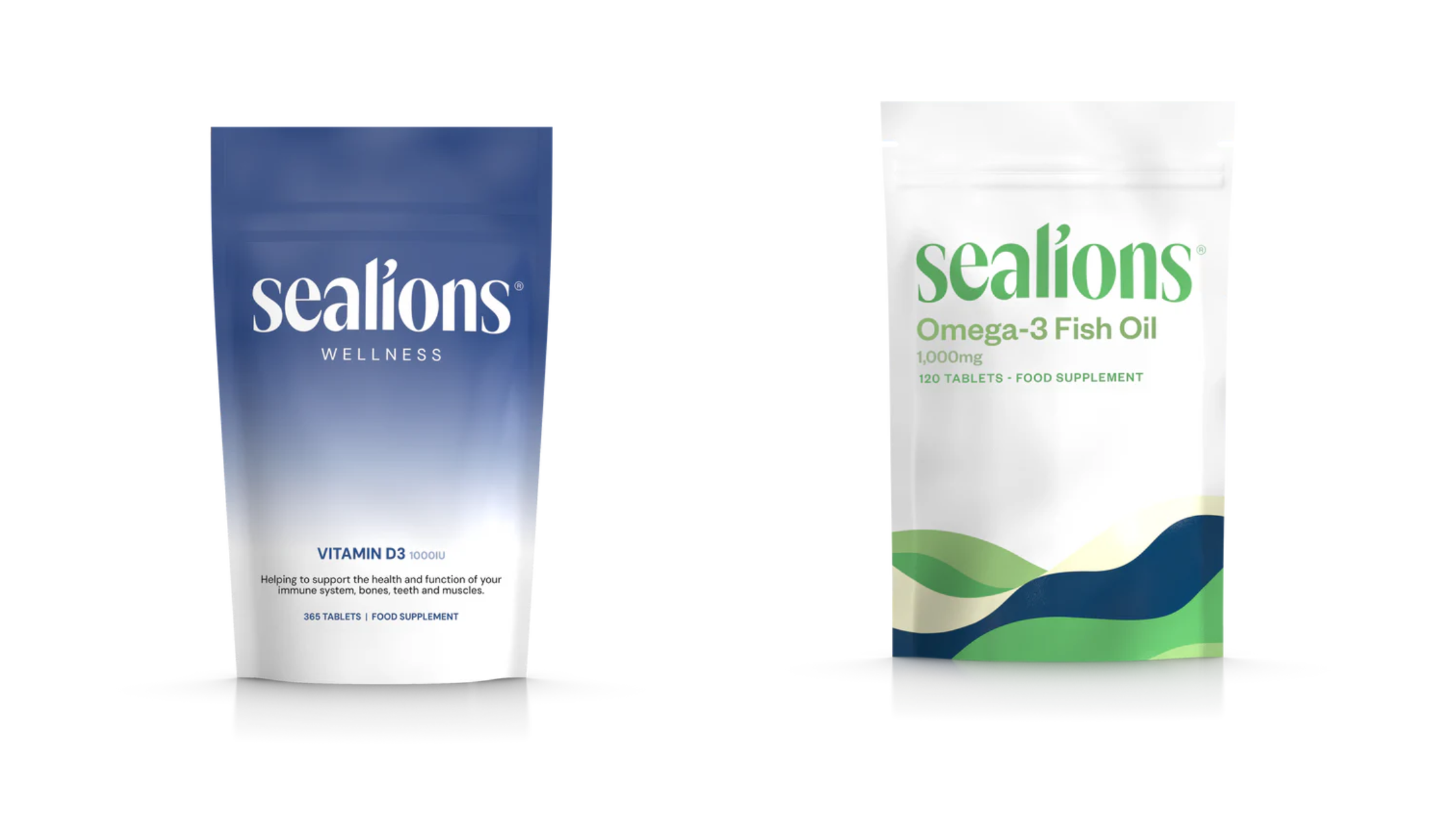
So, we've covered that diet, exercise, and making positive lifestyle choices can all dramatically reduce the risks of developing cardiovascular disease - but now it's time to look at the role supplements play.
Vitamins and minerals won't replace making healthier lifestyle choices, but they can help fill dietary gaps and provide your body with additional support.
Here are the most important supplements for heart health.
Vitamin D: The Sunshine Vitamin for a Happy Heart
You've probably heard of Vitamin D as the "sunshine vitamin", but did you know it's super important for your heart?
It helps keep your blood pressure in check and boosts your immune system, both of which are great for your heart health.
You can increase your Vitamin D intake by getting enough natural sunlight and consuming foods like fatty fish, dairy, and egg yolks. However, plant-based dieters and the winter months can increase the risks of deficiencies, so supplements play a key role in ensuring optimal levels.
Omega-3 Fatty Acids: The Heart's Best Friend
Omega-3 fatty acids are powerhouses for your heart and brain. Research shows that consuming Omega-3 foods or supplements can reduce heart disease risk factors (Harvard Health). If you don't eat fish, flaxseeds, walnuts, and chia seeds are excellent sources of Omega-3 Fatty Acids.
Vegan-friendly supplements are also beneficial, offering the same health benefits but are suitable for plant-based diets.
Magnesium: Maintaining Heart Rhythm Harmony
Think of magnesium as a conductor of your heart's orchestra. It helps keep those electrical signals flowing smoothly, ensuring your heartbeat stays nice and regular. Plus, it's great for relaxing your blood vessels, which can help lower blood pressure.
You can increase your magnesium intake by consuming more seeds, whole grains, leafy greens, and nuts, or by taking supplements.
Potassium: Balancing Blood Pressure
Potassium helps keep your blood pressure checked, while also regulating sodium levels. When your diet is high in sodium, it increases your blood pressure, which puts extra strain on your heart. Potassium essentially balances your sodium levels and supports cardiovascular health.
Oranges and bananas are high in potassium, while dedicated supplements can reduce blood pressure.
How to Have a Healthy Heart This Valentine's Day: Your Top Priorities
-
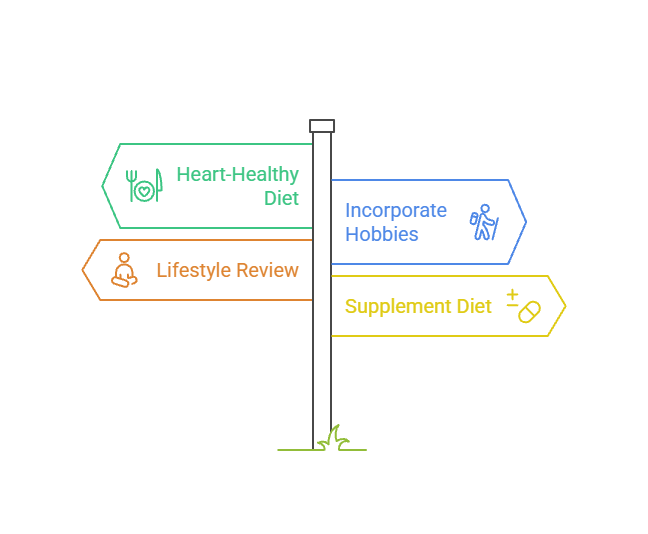
Consume a Heart-Healthy Diet: Healthy foods can regulate blood cholesterol levels and ensure your body has optimal nutrients. Avoid excessive saturated fats and sugars, and focus on balanced nutrition instead.
-
Get Out and About: Instead of pushing yourself to go to the gym or do workouts you don't enjoy, try incorporating your favourite hobbies into your physical activity. Love nature? Take a daily walk. Enjoy swimming? Challenge yourself to complete more lengths. It's that simple.
-
Review Your Lifestyle: Small changes, such as focusing on relaxing activities, can enhance sleep quality. Quitting smoking and moderating your alcohol intake are vital for heart health.
-
Supplement Your Diet: If you don't get enough nutrients from your diet alone, supplements can be excellent options. Even something as simple as taking a daily Multivitamin can have a positive impact.
It's easy to get caught up in romance and giving on Valentine's Day, but taking the time to think about your heart ensures you can give it some long-term TLC. If you're looking for high-quality supplements, Sealions is here to help you improve heart health.
View our supplements today, and please contact us if you have any questions.
FAQs
What are the best heart-healthy foods?
The best heart-healthy foods include vegetables, fruits, complex carbohydrates, fibre, and healthy fats. Making small changes, such as switching from full-fat dairy products to skimmed milk and from white rice and pasta to whole grains, can make a lasting difference.
What exercise is best for your heart?
Aerobic activity is most beneficial for heart health, as it strengthens the heart muscles and can regulate your blood pressure. You don't need to take up running or intense gym workouts; 150 minutes of brisk walking, swimming, cycling, or dancing each week is sufficient.
Can you improve heart health in 30 days?
Absolutely! There's always an opportunity to enhance your heart health, including quitting smoking, switching up your diet, and getting more physical activity. Introducing supplements to fill dietary gaps can also be beneficial.
However, while your heart health can improve within 30 days, consistency is essential for long-term changes.
Which supplements promote good heart health?
The best supplements for heart health include Omega-3 fatty acids, Vitamin D, Potassium, and Magnesium. If you're unsure of which supplements you need, taking a daily Multivitamin can be beneficial.